

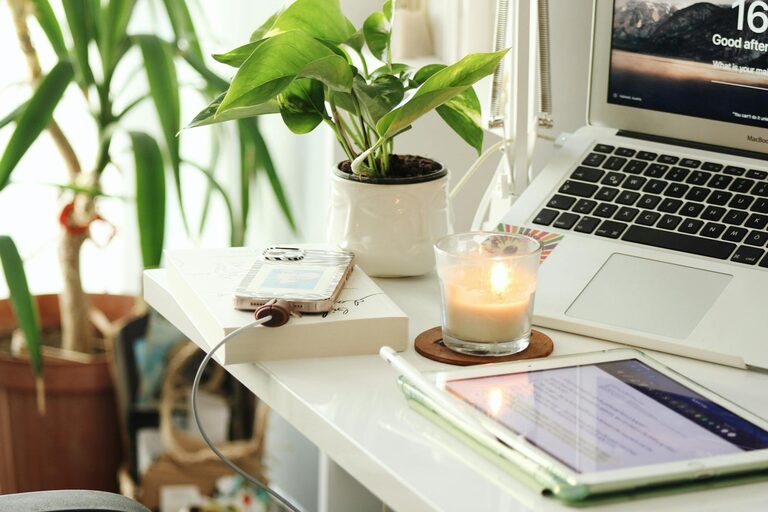
Creating a home workspace that is both relaxing and productive can transform the way you work and improve your overall wellbeing. Whether you are new to working from home or looking to refresh your setup, designing a space that balances comfort with focus is essential. Here are some helpful tips to guide you in crafting a home workspace that supports a healthy and efficient working routine.
Choose the Right Location
Selecting the right spot for your workspace is the first step towards creating an environment that enhances productivity and relaxation.
– Quiet area: Pick a spot away from household noise and distractions to maintain focus.
– Natural light: Position your desk near a window to benefit from daylight, which can boost mood and energy.
– Space availability: Ensure there is enough room for your equipment and to move comfortably.
Invest in Comfortable and Functional Furniture
Ergonomics plays a key role in both comfort and productivity. Here’s what to consider:
– Ergonomic chair: Invest in a chair that supports good posture. Adjustable height, back support, and cushioning are crucial.
– Desk design: Choose a desk that fits your equipment and allows for adequate leg room. Standing desks or adjustable desks are good options.
– Proper monitor height: Screen positioned at eye level helps reduce neck and eye strain.
Declutter and Organise Your Workspace
A tidy workspace can clear your mind and improve efficiency.
– Storage solutions: Use shelves, drawers, or desk organisers to keep supplies orderly.
– Minimal decorations: Keep personal items and decorations to a minimum to avoid distractions.
– Daily tidying: Spend a few minutes at the end of each day clearing your desk.
Control Lighting and Temperature
Lighting and temperature affect how comfortable and alert you feel during work.
– Adjustable lighting: Use a combination of natural light and adjustable lamps to reduce glare and fatigue.
– Temperature control: Keep your workspace at a comfortable temperature, ideally between 19-21°C.
– Window treatments: Use blinds or curtains to manage sunlight and reduce screen glare.
Create a Calm Atmosphere
A relaxing environment can help reduce stress and increase creativity.
– Colours: Opt for calming colour tones such as soft blues, greens, or neutral shades.
– Plants: Adding greenery can improve air quality and create a soothing vibe.
– Scent: Consider light, natural scents through candles or diffusers to enhance calmness.
Establish Clear Boundaries
Separating your work and personal life is vital, especially when working from home.
– Dedicated workspace: Avoid working from beds or sofas to create a mental distinction.
– Set work hours: Define clear start and finish times, and communicate this with household members.
– Break routines: Schedule regular breaks away from your desk to rest and recharge.
Use Technology Wisely
Technology is essential but can also be distracting if not managed well.
– Reliable equipment: Invest in a good computer, headphones, and other necessary tools.
– Organise cables: Keep wires neat with clips or cable organisers to reduce clutter.
– Limit notifications: Use focus modes or turn off non-essential alerts to maintain concentration.
Personalise Without Overdoing It
While a personalised workspace can motivate you, striking the right balance is important.
– Inspirational items: Include items that inspire you, such as photos or quotes.
– Avoid excess: Too many personal objects may clutter or distract from work.
Prioritise Wellbeing During Work
Your physical and mental health impacts productivity significantly.
– Posture breaks: Stand up and stretch regularly to prevent stiffness.
– Hydration and nutrition: Keep water nearby and eat balanced meals.
– Mindfulness and relaxation: Practice breathing exercises or short meditation breaks to stay centred.
Maintain Flexibility and Keep Improving
Finally, remember your workspace should evolve with your needs.
– Regular assessments: Reflect on what’s working and what isn’t.
– Adjust as needed: Rearrange, add or remove items for better comfort and efficiency.
– Stay open to change: New tools or methods can enhance productivity or relaxation.
Conclusion
Creating a relaxing and productive home workspace is achievable with thoughtful planning and small adjustments. By focusing on location, comfort, organisation, and wellbeing, you can establish a space that supports both effective working and a peaceful mind. Start with a few changes and gradually tailor your workspace until it feels just right for you.