

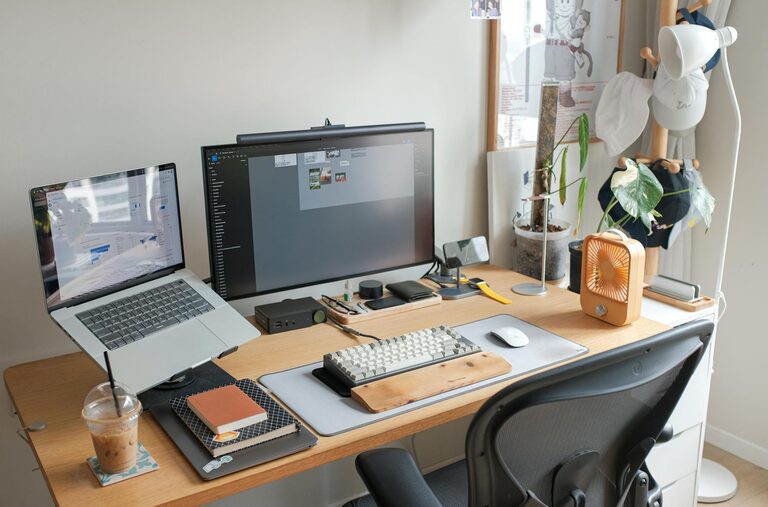
Creating a productive home office environment is essential for anyone working remotely or managing tasks from home. A well-designed space helps maintain focus, reduces distractions, and promotes good health during long working hours. Whether you have a dedicated room or a small corner, these tips will help you optimise your setup.
Choose the Right Location
Selecting where to place your home office is the first step. Ideally, choose a quiet area with minimal foot traffic and distractions. If possible, find a spot with natural light, which can boost mood and energy levels. Consider areas near windows but avoid glare on your screen.
If space is limited, a multi-use area can work, but try to define it clearly with a desk, chair, and minimal clutter. This separation helps your brain associate the space with work, improving focus.
Invest in Comfortable and Ergonomic Furniture
Comfort is key to productivity. Start with a good quality chair that supports your lower back and allows your feet to rest flat on the floor. An adjustable chair helps to find the best position for you.
Your desk should be at a height where your forearms are parallel to the floor when typing. Using a separate keyboard and mouse, rather than relying on a laptop keyboard, helps maintain a comfortable posture.
If budget allows, consider adding a standing desk or a desk converter to alternate between sitting and standing, which encourages movement and reduces strain.
Organise Your Workspace
Clutter can be distracting and stressful. Keep your desk tidy by regularly removing unnecessary items. Use organisers like trays, drawers, or shelves to store stationery, paperwork, and gadgets.
Have essential tools within arm’s reach to avoid interruptions when searching for items. Cable management solutions such as clips or ties help keep cords untangled and out of sight.
Make use of digital tools to reduce paper piles. Scanning documents and organising files on your computer ensures important information is easily accessible.
Optimise Lighting
Proper lighting reduces eye strain and fatigue. Natural daylight is best, but if that’s limited, use a combination of overhead lights and task lighting.
A desk lamp with adjustable brightness can help when working on detailed tasks. Position lights to avoid reflections or glare on your screen.
If you often work early or late, consider warm LED bulbs which create a comfortable atmosphere and help you relax at the end of the day.
Minimise Distractions
Home environments can be full of distractions. If possible, set boundaries with family members or housemates about your work hours.
Use noise-cancelling headphones or play soft background music to drown out household noise. Some people find white noise apps helpful for maintaining focus.
Turn off non-essential notifications on your devices and consider using apps that block distracting websites during work periods.
Personalise Your Space
Adding personal touches makes your workspace inviting and motivating. Photographs, plants, or artwork can boost your mood and creativity.
Plants also improve air quality and add a calming element to the room. Choose low-maintenance varieties if you don’t have time for regular care.
However, be mindful not to overdecorate, as too many items can become distracting or reduce workspace.
Maintain Good Technology Setup
Having reliable and efficient technology improves workflow. Ensure your internet connection is stable and fast enough for video calls.
Use a good quality webcam and microphone if your work involves frequent virtual meetings. Keep your devices updated and regularly back up your data.
Consider a second monitor if your tasks involve multitasking or handling many windows at once.
Schedule Breaks and Movement
Long periods of sitting can reduce productivity and affect your health. Schedule regular breaks to stand, stretch, and move around.
Use techniques such as the Pomodoro method—working in focused intervals with short breaks—to maintain concentration.
Even short walks or simple stretches around your home can help refresh your mind and body.
Set a Clear Work Routine
Working from home offers flexibility but can blur boundaries between professional and personal life. Establish a daily routine with set start and finish times.
Having a morning ritual, like a walk or a coffee before work, signals the start of your workday.
Plan your tasks with priorities to stay organised and reduce procrastination. Review your accomplishments at the day’s end to maintain motivation.
—
By implementing these tips, you can create a home office environment that supports focus, comfort, and productivity. Remember, the best workspace is one that fits your unique needs and lifestyle, so feel free to adapt these suggestions to what works best for you.